On Friday, January 23 in Montreal, I attended what was presented as a debate on Iran (organised by the Montreal based NGO Alternatives) and on how to express solidarity with people mobilizing in the streets. What struck me most, however, was hearing several of the Iranian participants openly support sanctions against Iran, despite their direct and devastating impact on the population.
I also failed to understand the presence of Yves Engler in a panel that never truly became a debate. His role was reduced to that of a target to be taken down, simply for holding a legitimate position: opposing sanctions and denouncing Canadian imperialism and its complicity with the Trump administration. Rather than fostering an exchange of ideas, the format turned into an exercise in personal attack.
What was glaringly absent was any analysis of the historical moment we are living through: the decline of the American empire, the implosion of its traditional alliances, and the increasingly plausible prospect of an internal crisis that could mark the end of its hegemonic phase. Events in Iran cannot be understood in isolation from this global reality, yet this dimension was entirely ignored, making the “non-debate” both predictable and sterile.
The Iranian voices that spoke represented, on the one hand, supporters of the Pahlavi project, and on the other, an Iranian left in exile whose representativeness is highly questionable. Despite their apparent differences, both seemed to converge toward the same objective: bringing about the end of the regime, without seriously questioning the means or the consequences.
Particularly disturbing was the obscene comparison made by one of the speakers between the Iranian regime and the Zionist regime. This comparison deliberately ignores a fundamental difference: the Iranian regime—whether one approves of it or not—is an indigenous political project shaped and sustained by internal dynamics of its own society, whereas Zionism is a colonial settler project that has required the expulsion, dispossession, and killing of hundreds of thousands of Palestinians since 1948 in order to exist.
Iran undoubtedly faces serious problems. Some stem from its internal exercise of power, which is legitimate to question and denounce. Others, however, are the direct result of its strategic position as a regional power subjected to a brutal blockade that shapes the lives of more than 90 million people and severely constrains the policies available under such conditions.
None of this was seriously examined or developed. As a result, the central question remained unanswered: how can one support those who dissent from the Iranian government while respecting Iran’s sovereignty? This question was left orphaned, while Yves Engler’s presence was used to channel anger and frustration, and while he himself—somewhat incomprehensibly—failed to articulate the many strong and well-documented arguments against sanctions.
Cuba, Venezuela, Iran… and soon other countries will be added to that list, at the whim of Trump and of those willing to be led by him. Personally, I would like to see all these countries free of sanctions. To see what level of development their societies could reach without blackmail or external tutelage. To see what degree of satisfaction—or rebellion—emerges among their peoples once foreign interference is removed.
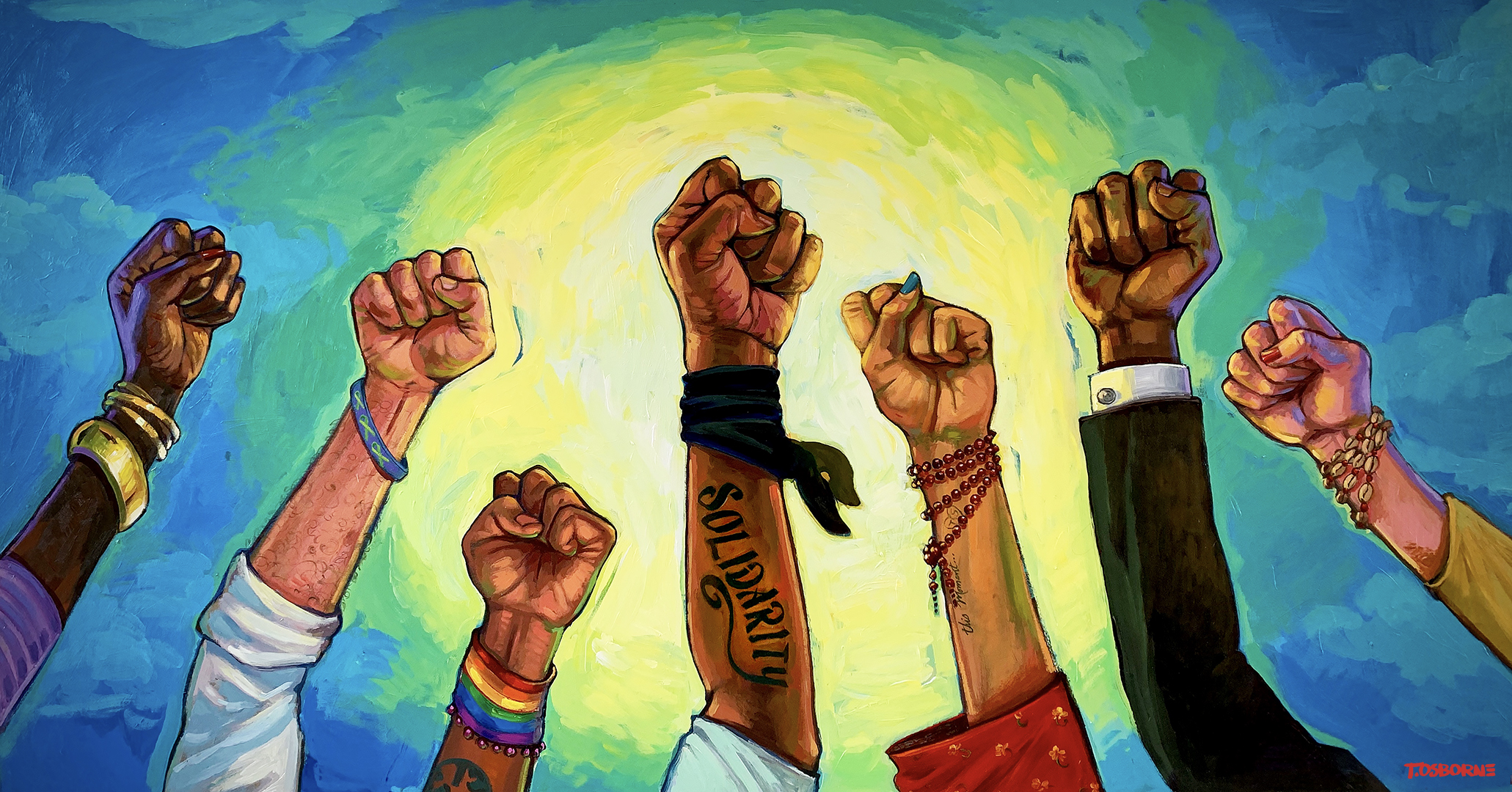
Under current conditions, it is difficult to speak of solidarity when those you claim to support act from the structural advantage of an empire that, throughout its long history of interventions, has left millions dead, countries destroyed, and societies pushed back into the Stone Age, as in Iraq, Syria, and Libya.
On the author: Manuel Tapial is a social activist and researcher focused on popular movements and international justice. He lives in Montreal and collaborates with platforms for political analysis and human rights advocacy, with a special emphasis on international solidarity and the rights of marginalized peoples.