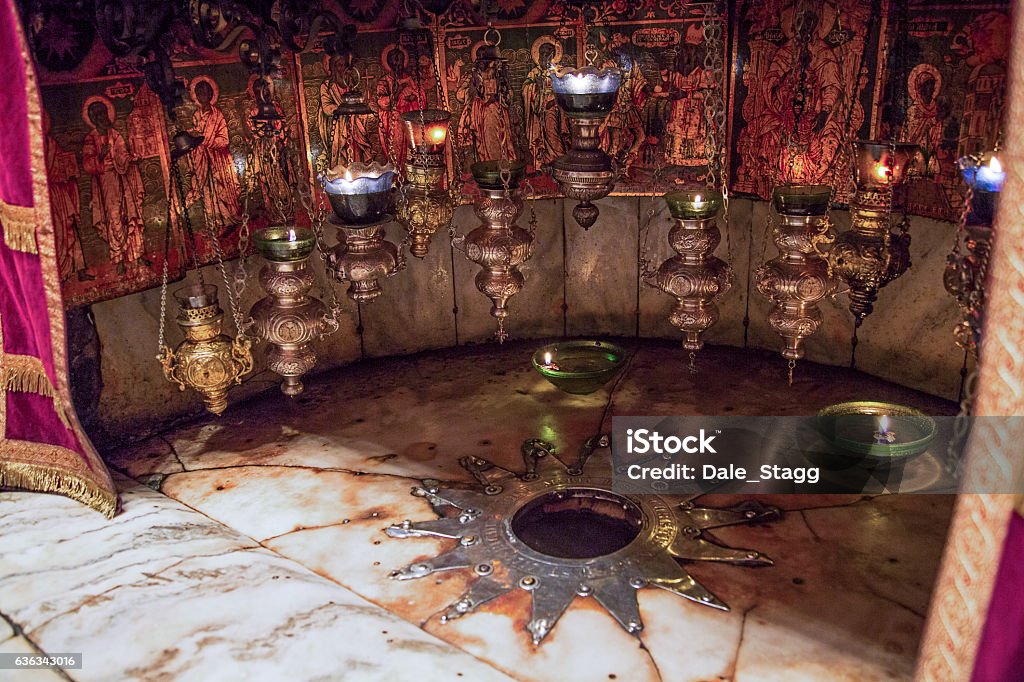
“Let us go now to Bethlehem and see,” the shepherds said to one another, after hearing the good news of Jesus’ birth. In the gospel of Luke, our attention is not focused on the Emperor of Rome, the Governor of Syria or the King of Judea—all who are mentioned in order to situate the story of Jesus under Roman occupation. Instead, the writer of Luke places lowly shepherds in their fields at the centre, and illustrates this further through the simple lives of Joseph, Mary, Jesus and the people Jesus interacts with. We follow the story of Jesus as he touches the lives of the poor longing for good news, the captives hoping for release, the injured seeking recovery, and the op pressed dreaming of freedom. The gospel announces the restoration of the humanity of those treated inhumanely. And then we are led to the horrific crucifixion, where God’s son is killed by occupying political powers set to humiliate and dehumanize. The “go and see” Moderator’s pilgrimage to Palestine and Israel, approved by General Assembly, follows the gospel trajectory.
We began in the shepherd’s fields outside Bethlehem. From that vantage point, we could see the West Bank under occupation. Yusef, our guide who works for the World Council of Churches in Jerusalem, pointed to how the land is carved up. We could see the ever-expanding illegal Israeli settlements and settler roads, checkpoints and the wall that divides Palestinian people from their land, family and workplaces. The signs of settler colonial ism and life under occupation were in plain sight everywhere in the West Bank, as we met with partners and human rights organizations.
We also learned about life in Palestine and Israel as we talked with people on the streets, in shops, cafés and bars. Along with what we saw, we heard stories of family members killed by Israeli soldiers without cause, people, including children, detained in prisons for no reason, children being shot at for throwing stones or at random. We met with people connected to Rabbis for Human Rights and other organizations that support Palestinian famers during the olive harvest, because farmers are often intimated and attacked by settlers. A woman working for KAIROS Palestine, shared her experience just a day before meeting with us of being harassed and humiliated at a checkpoint on her way back from the city of Ramallah. We heard stories of people cut off from family and friends even within Palestinian territory, given that communities within the West Bank can be closed off at any moment by Israeli forces.
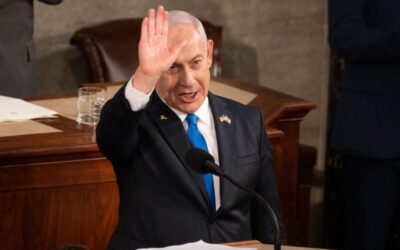
During the pilgrimage, my attention was drawn to the realities not readily available in the news since the attacks by some extreme elements of Hamas on October 7. The world’s attention has been focused on the Israeli hostages—their faces, names, ages and anxious family members pleading for their release. The pictures of hostages held by Hamas were on display and projected on buildings. We can’t avert our eyes from the humanity of hostages and those killed on October 7, as their pictures move us to rightfully grieve their deaths. Israeli Prime Minister Netanyahu drew the world’s attention to them in his speech to the United Nations this September as he described that day as “the worst attack on Jews since the Holocaust. They slaughtered 1,200 innocent people, including over 40 Americans, and foreign nationals from dozens of countries represented here.” As he described some of the horrific actions by Hamas, including taking 250 hostages, he called them “monsters.”
In the attacks on the population in Gaza, Netanyahu wants us to think only of the trauma and victimization of the Jewish people, but reality is not so narrow. We must think of the full reality of what is happening to Palestinian and Israeli people. We met Anton, who works with Rabbis for Human Rights. He spoke about the horrifying reality that within two generations, Jewish people went from being victims in the Holocaust to the State of Israel practicing genocide. Anton emphasized that ugly reality of antisemitism, and also the reality of the genocide of Palestinians. We met Elana, whose son, an Israeli soldier, was killed in the attacks on October 7. Elana was active in groups committed to fostering empathy and dialogue between Israeli Jews and Palestinians before Octber 7. Since her son’s death, she has increased her efforts to seek peaceful co-existence in her work with the Parents Circle – Families Forum. She expressed her horror and dismay over the State of Israel’s killing of Gazans who were not responsible for the October 7 attack. She protested Netanyahu’s government, which she holds accountable for her son’s death.
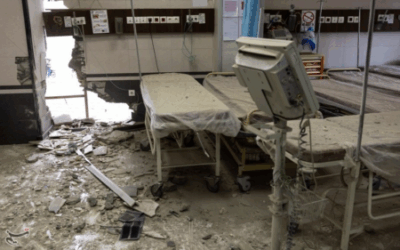
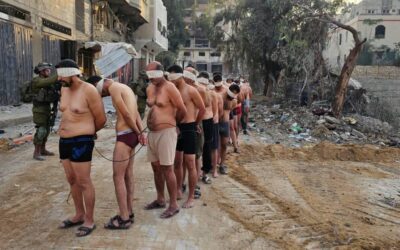
I write this article during the Thanksgiving weekend in the first phase of an unstable ceasefire. This initial step of this ceasefire included the release of the remaining hostages held by Hamas, in exchange for almost 2,000 Palestinians who have been detained in Israeli prisons, some held before October 7, 2023. That is a staggering number that may have caught some by surprise because detained Palestinians are rarely reported. The Israeli military campaign in Gaza has killed more than 65,000 people. During our visit we met with people at Defence for Children International and Addemeer, organizations that collect data and track details of Palestinian detentions. The number of people taken captive by Israel increased from 5,200 to 11,100 since October 7, 2023. Most of these prisoners are from the occupied West Bank—400 of them children. Israel has disappeared Palestinians, and the lawyers who are able to meet with detainees relayed stories of torture, beatings, rape, medical neglect, malnutrition and infections due to unsanitary conditions.
The disparity in the numbers of deaths and detained remind me of Judith Butler’s reflections on the precariousness of life and grievability, referring to which lives are considered worthy of grief and protection. Unlike the victims of the October 7th attack and the hostages taken by Hamas, who are memorialized and recognized, dead and detained Palestinians are not pictured and named. In keeping with Butler’s Frames of War, Palestinian lives are not “apprehended” the same way, as they are reduced to disputed numbers and collateral damage in the war on Hamas. In her reflection on war, Butler writes, “If certain lives do not qualify as lives or are, from the start, not conceivable as lives within certain epistemological frames, then these lives are never lived nor lost in the full sense.”
Israel is a signatory to the international rights of the child but claim that people under occupation aren’t subject to the agreement. The responses to killing innocent Palestinian civilians, including children, medical workers and journalists, is framed as a response to suspected Hamas activity. By aligning these killings with an attack on Hamas, it dehumanizes and frames them in a way that fails to capture attention or to provoke a similar international cry to release Palestinians detained, for they are regarded as prisoners not hostages. We are horrified and troubled by the attacks of October 7, which must be condemned. We must also be horrified and troubled by the violent and deadly Israeli domination of Palestinians that has endured for more than 75 years. The Moderator’s trip followed in the direction of the gospels, starting in Bethlehem, the birthplace of Jesus, and ending in Jerusalem, the place of death and resurrection. In Jerusalem, we met up with Patriarch Emeritus Michel Sabbah, who said, “This is the land of the resurrection, but now it is a land of death, a land of inhumanity, they kill us Palestinians as if we are not human.” His plea: “Politicians need to do more and church es around the world must do more—they must stop giving to Israel. Churches need to know more, be conscious of what is going on and shake off the old idea of Islamophobia.”
During our meeting with Sabbah, he reminded us that we are called to the ministry of reconciliation in the world, and that, “we are not just to be baptized and saved in our own homes. Our mission is the mission of Jesus to look for peace and reconciliation in the world and call out injustice.” From the birth of Jesus to the resurrection, the gospels turn our attention to the humanity of the oppressed, that we might go and see and hear the forgotten and abandoned side—to apprehend such precarious life as human and their losses as grieveable.
https://presbyterian.ca/magazines/pc_Issue36_Winter2025/PC_Winter2025.html#p=2
See also:
https://www.kairospalestine.ps/images/Final_Kairos_document_II_English.pdf